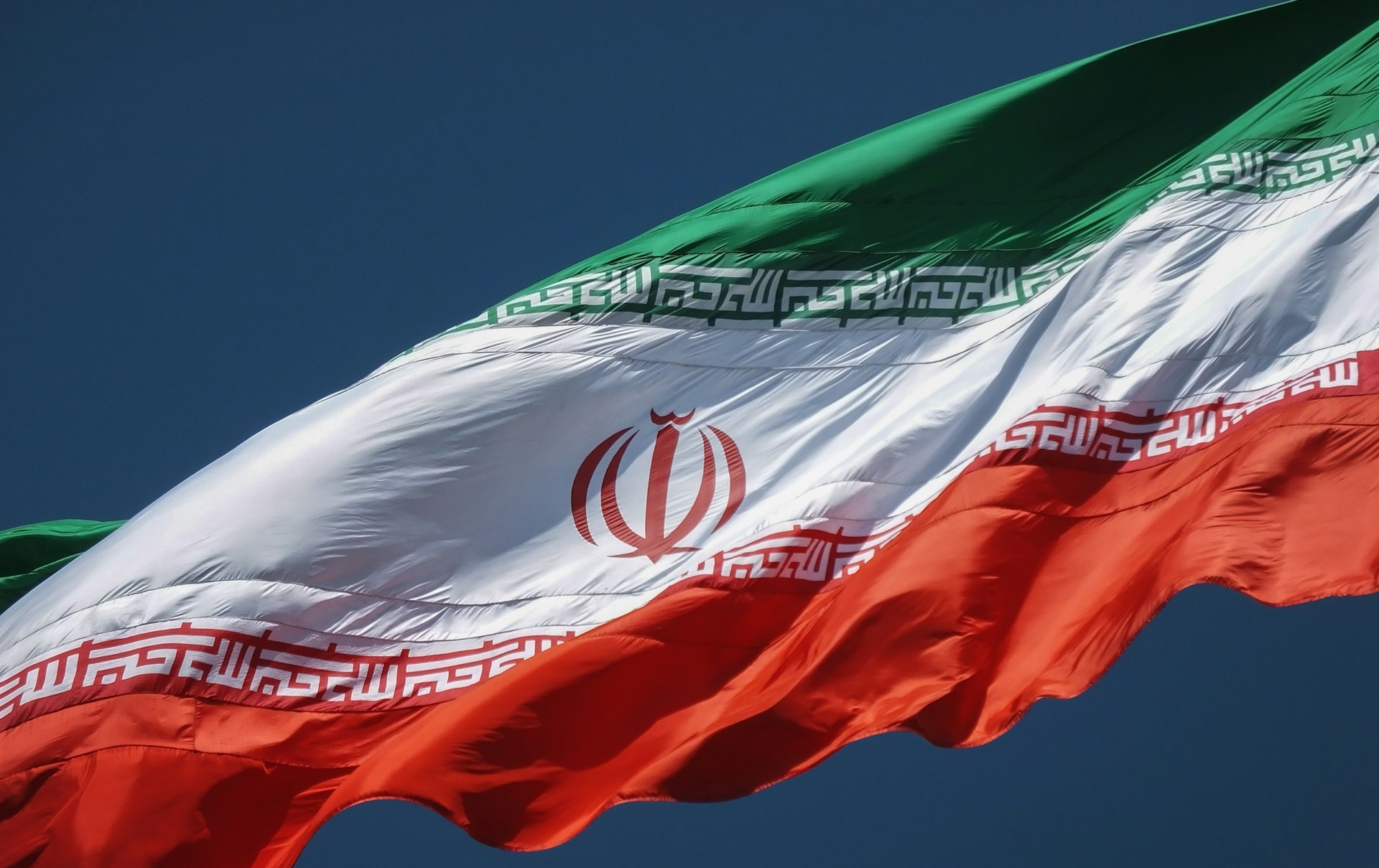
Iran said Wednesday it will not reopen the Strait of Hormuz while a U.S. naval blockade remains in place, escalating tensions in one of the world’s most critical energy shipping routes.
The move raises fresh concerns about global oil prices, supply chain disruptions, and renewed instability across the Middle East.
Iranian officials called the naval blockade a violation of the current ceasefire agreement and said normal shipping operations cannot resume under those conditions.
Why The Strait Of Hormuz Matters
The Strait of Hormuz is among the world’s most vital maritime routes, with about one-fifth of global oil supplies traveling through the narrow passage.
Any disruption in the area can quickly lead to:
- Higher gas prices
- Rising inflation concerns
- Shipping delays
- Global market volatility
- Increased geopolitical risk
Energy traders and investors are closely monitoring the latest developments.
Iran Seizes Commercial Ships
Iran’s Revolutionary Guard announced it had seized two container ships attempting to move through the strait.
The vessels were identified as:
- MSC Francesca
- Epaminondas
Shipping trackers later showed both ships closer to Iran’s coastline.
Security monitors also reported multiple incidents involving armed boats and commercial vessels in the area, adding to concerns about maritime safety.
Trump Signals Possible New Talks
President Donald Trump said the current ceasefire had been extended following mediation efforts from Pakistan.
The extension may allow more time for peace talks between Washington and Tehran.
When asked if new negotiations could begin soon, Trump reportedly replied:
“It’s possible.”
That comment has fueled speculation that diplomatic talks may resume within days.
Dispute Over Protest Arrests
Trump also said Iran had stopped plans to execute eight women arrested during anti-government protests.
Iran’s judiciary denied the claim and said no death sentences had been issued.
The disagreement highlights continuing tensions between both governments beyond military and trade disputes.
Middle East Conflict Expands
Violence continued elsewhere in the region Wednesday.
Lebanese media reported four people were killed in Israeli strikes, while two journalists were reportedly injured near the border.
France also confirmed a second French peacekeeper wounded in a recent ambush had died.
Meanwhile, Israeli and Lebanese officials are expected to hold additional talks in Washington this week.
What Happens Next
Markets are now watching two major questions:
- Will Iran reopen the Strait of Hormuz?
- Will Trump secure a new diplomatic breakthrough?
If tensions worsen, Americans could feel the impact through higher fuel costs, market swings, and rising consumer prices.
Bottom Line
Iran’s refusal to cooperate has created a new flashpoint in the Trump administration’s Middle East strategy. With oil markets on edge and negotiations uncertain, the next few days could prove critical for global stability.
Leave a Reply