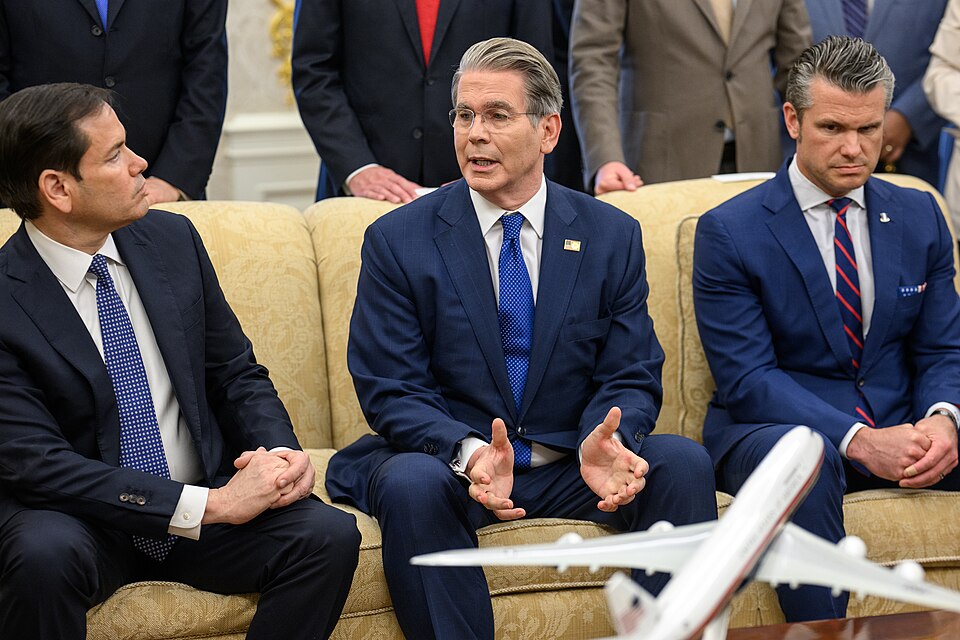
Millions of Americans watching fuel costs may soon get relief at the pump.
Treasury Secretary Scott Bessent told lawmakers Wednesday that gasoline prices could begin dropping once the conflict involving Iran comes to an end.
According to Bessent, prices may not only return to earlier levels, but could potentially fall even lower if global energy markets stabilize.
“I think the conflict will end, and I think gasoline prices will come back to where they were, or perhaps lower,” Bessent said during a Senate Appropriations Committee hearing.
When Could Gas Prices Go Down?
When asked by Sen. Jack Reed how quickly consumers might see lower prices, Bessent said the timeline depends on when the overseas conflict is resolved.
That means drivers may need to watch global developments closely in the weeks ahead.
Current Gas Prices Remain Elevated
According to AAA, the national average price for regular gasoline reached $4.02 per gallon on Wednesday.
That figure was slightly below last week’s $4.10 average, but still well above the $2.98 national average recorded on Feb. 28.
Higher fuel prices often impact household budgets, shipping costs, airline tickets, groceries, and inflation across the economy.
Why Oil Prices Matter
During the hearing, Bessent also defended recent sanctions relief involving Iran and Russia, saying it helped release more than 250 million barrels of oil into global markets.
He argued that without those added supplies, oil prices could have risen dramatically higher.
“The American consumer has been better off,” Bessent said.
What Drivers Should Watch Next
If tensions ease and oil supplies improve, experts say Americans could begin seeing lower gas prices in coming weeks.
For now, motorists, commuters, and businesses remain focused on one question: When will prices finally fall?
Leave a Reply